
The Allure of Gambling: Understanding Attraction
Casino games possess an innate allure that entices millions of players around the globe. This fascination can be traced back to a combination of excitement, risk, and the potential for significant rewards. The adrenaline rush experienced when betting money—often substantial amounts—creates a unique thrill that keeps players captivated. Many prefer platforms that offer quick payouts, such as casino fast withdrawal , which enhances the gaming experience even further. The emotional highs associated with winning and the lows of losing have a profound influence on the psyche, transforming each game into a dramatic experience. Consequently, this psychological stimulation often drives individuals to return, constantly seeking out that euphoric feeling again.
The design and atmosphere of casinos play a pivotal role in enhancing this attraction. These environments are meticulously crafted to be visually stimulating, incorporating bright lights, vivid colors, and engaging sounds. Each element is strategically placed to create an immersive experience that captivates the senses. Upon entering a casino, players find themselves in a realm that starkly contrasts their everyday lives, which further amplifies their desire to engage in games of chance. This carefully curated ambiance not only heightens excitement but also fosters an environment where players feel almost compelled to participate.
Another critical aspect of the allure is the concept of ‘near misses.’ In the world of casino games, players frequently encounter situations where they come tantalizingly close to winning. This phenomenon triggers a surge of excitement and anticipation, influencing players to believe they are on the brink of a significant win. Such near misses can create a compelling cycle that reinforces gambling behavior, making it increasingly difficult for players to walk away. This psychological mechanism, where the thrill of the chase overshadows the reality of losses, is an essential facet of the attraction to casino games.
The Psychological Mechanisms of Decision-Making
The psychology underlying decision-making in gambling is intricate, involving a web of cognitive biases and emotional factors that heavily influence player behavior. One prominent factor is the illusion of control, where players believe they can impact the outcome of games through their choices and actions. For instance, in games like poker, players often overestimate their skill level, thinking it plays a more significant role than it does. This misconception leads to overconfidence, compelling individuals to make risky decisions that may not align with their best interests, thereby increasing the chances of losses.
Cognitive biases significantly skew how players interpret their gambling outcomes. The gambler’s fallacy exemplifies this; it is the belief that past events should influence future outcomes. For example, a player might believe that after a series of losses, a win is imminent. This distorted perception fosters a false sense of hope, prompting individuals to continue betting even when the odds are not in their favor. Understanding these biases is crucial for explaining why many people engage in gambling despite the often negative consequences that arise.

Emotions also play a vital role in gambling decision-making. Feelings such as excitement, anxiety, and even frustration can heavily influence players’ choices at the gambling table. Emotional volatility can lead to impulsive betting, where players act on feelings rather than rational thought. This impulsivity may result in a cycle of chasing losses or making irrational choices, thereby deepening their entrenchment in gambling behavior. Recognizing these psychological mechanisms is essential for understanding the motivations behind why players choose to engage with casino games.
The Role of Reward Systems in Gambling
The brain’s reward system is integral to understanding the psychology of casino games. The anticipation and experience of winning trigger the release of dopamine, a neurotransmitter closely linked to pleasure and reward. This biological response reinforces gambling behavior, as players crave the rush associated with potential wins. When players experience a victory—no matter how small—it activates this reward pathway, encouraging them to return in search of that exhilarating feeling once more. This cycle not only promotes continued play but also embeds the desire for more significant rewards.
Furthermore, many casino games are designed to maximize the rewarding experience for players. The use of variable reward schedules is common, meaning that wins occur unpredictably and sporadically. This unpredictability keeps players engaged, as the uncertainty of when the next win will come fosters heightened anticipation. Players often find themselves drawn in by the prospect of a big win just around the corner, which can lead to prolonged gaming sessions and increased spending. Consequently, this mechanism creates an environment where players are perpetually on the lookout for that next rewarding experience.
In addition to game design, casinos employ loyalty programs and bonuses to enhance player engagement further. By offering rewards for continued play, casinos tap into the psychological principle of reciprocity, where individuals feel compelled to reciprocate when they receive something beneficial. These incentives not only encourage players to remain longer but also to wager more, perpetuating the gambling cycle. By understanding these reward mechanisms, we gain insight into why many individuals find it incredibly challenging to resist the magnetic pull of casino games.
The Social Aspect of Casino Gaming
Casino games are rarely solitary experiences; they often unfold within a social context that amplifies the psychological effects of gambling. The communal environment of a casino facilitates social interaction and bonding, enhancing the overall gaming experience. Players frequently share in the excitement of wins and losses, creating a collective euphoria that engages them further in the activity. This social dimension adds layers of enjoyment, encouraging individuals to invest more time and money into the gaming experience.
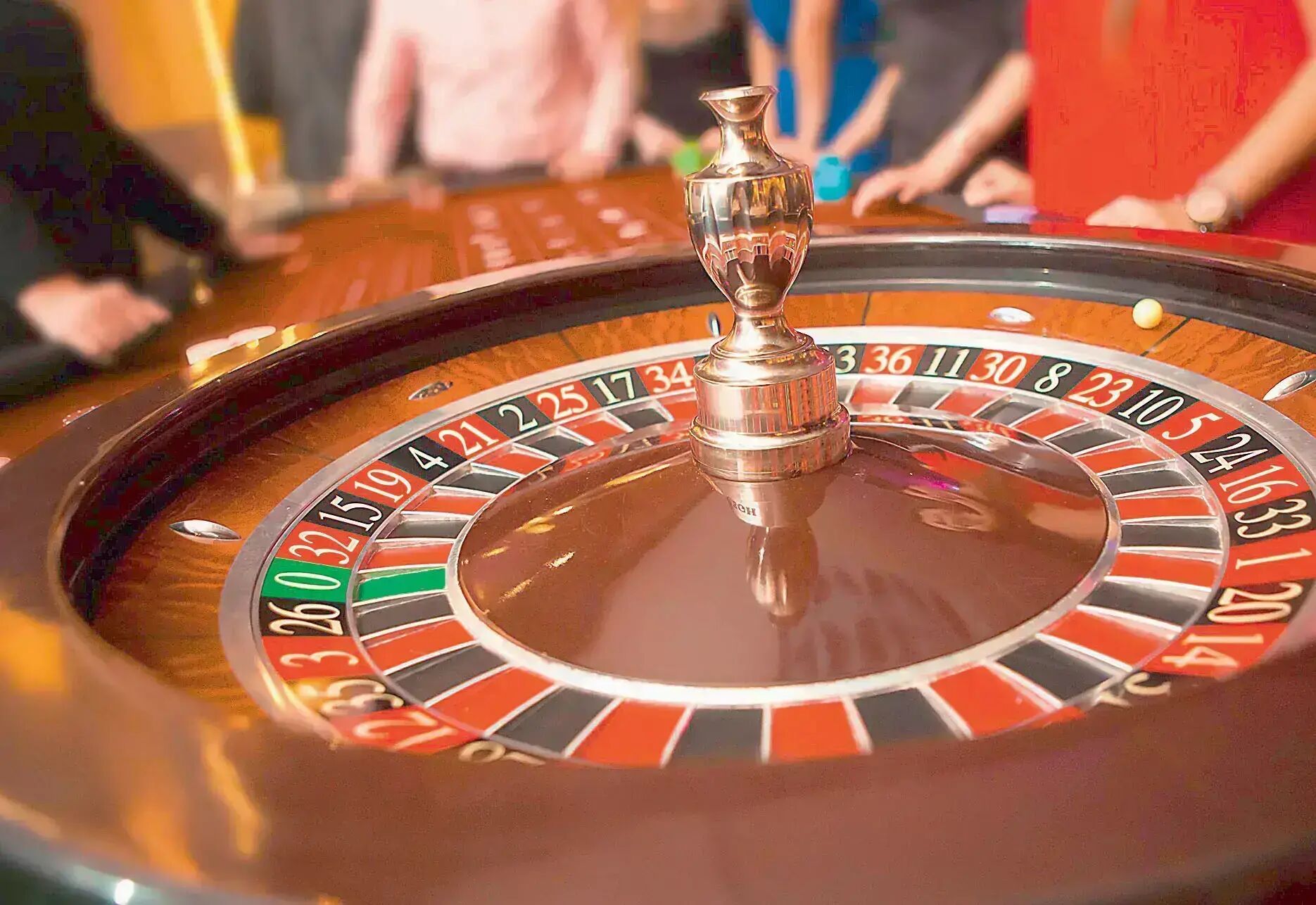
Moreover, social dynamics can significantly influence betting behavior. The presence of others can lead to increased competitiveness, prompting players to gamble more aggressively than they might in isolation. This social pressure affects decision-making, often leading individuals to take risks they would typically avoid if they were alone. The psychological desire to impress peers or compete with fellow players can easily overshadow logical thinking, steering players toward impulsive gambling decisions that may not align with their best interests.
The rise of online casinos has transformed the social dynamics of gambling, allowing players to connect with others from diverse backgrounds. Online platforms often incorporate chat rooms and social features that replicate the communal atmosphere of physical casinos. This shift opens new avenues for interaction, embedding social aspects of gambling deeper into players’ experiences. Understanding these social factors is essential for a comprehensive view of the psychology behind casino gaming, as they play a crucial role in shaping player behavior.
Conclusion: The Psychology of Casino Games
Exploring the psychology behind casino games provides invaluable insights into the reasons individuals are drawn to them and why they persist in engaging despite inherent risks. The interplay of thrill, emotional highs, cognitive biases, and social interactions creates a multifaceted experience that can be difficult to resist. This complexity underscores the necessity for awareness and responsibility among players, as the allure of casino games may lead to problematic behaviors without careful consideration of their choices.
Casinos continuously adapt their offerings to leverage these psychological principles, enhancing the gaming experience and attracting more participants. By tapping into human behavior, casinos effectively create environments that are both engaging and potentially addictive. Therefore, educating players about these underlying psychological factors is crucial for promoting healthier gaming habits and fostering a clearer understanding of gambling’s nature.
As we delve into the intricate landscape of casino games, it becomes evident that the interplay of psychology and gaming is profound. Individuals interested in the psychological aspects of gambling can discover valuable resources and insights that promote a deeper understanding of their behaviors and motivations. By recognizing the psychological mechanisms at play, players can navigate the world of gambling more effectively and make informed decisions about their participation.
