
The Thrill of Chance and Uncertainty
At the heart of casino gambling lies the thrill of chance, a concept that profoundly resonates with human psychology. Players often engage in games of luck, seeking the euphoric highs that winning can bring, triggering a rush of dopamine in the brain. This neurochemical reward reinforces the behavior, making individuals more likely to return to the casino in search of that exhilarating feeling. With the rise of technology, many now prefer using betting apps for convenience, as the unpredictability of outcomes creates a unique allure, captivating players by the hope of hitting the jackpot, which serves as an enticing prospect that keeps them coming back for more.
Moreover, the uncertainty inherent in gambling acts as a double-edged sword. While it can lead to high levels of excitement and engagement, it can also evoke anxiety in some players. This complex relationship with chance pushes individuals to take risks they might not otherwise consider, leading to behaviors that challenge their sense of control. The more uncertain the outcome, the more intense the psychological response, making casinos vibrant arenas of emotional experiences. This tension between thrill and anxiety is often what keeps players on the edge of their seats, hungry for the next win.
This attraction to risk and uncertainty highlights an important aspect of human nature: the desire to escape mundane routines and experience something extraordinary. Casinos are designed to amplify these feelings, with their bright lights, sounds, and the thrill of competition. By immersing themselves in this environment, individuals can experience a temporary reprieve from daily life, further fueling their desire to gamble, even in the face of potential losses. The sensory stimulation provided by casinos creates a captivating atmosphere where the ordinary fades away, allowing for a deeper engagement with the thrill of gambling.
The Role of Cognitive Biases
Cognitive biases play a crucial role in shaping gambling behaviors and decisions. One of the most prevalent biases is the illusion of control, where players believe they can influence outcomes based on specific actions. For instance, a gambler might think that by using a particular strategy or ritual, they can affect the results of a game like roulette. This perception can lead to overconfidence and increased gambling frequency, as they become convinced that they possess a winning formula. Such biases can create a false sense of security that encourages continued play, often regardless of the reality of the situation.
Another significant bias is the gambler’s fallacy, which is the mistaken belief that past events can influence future outcomes in random games. A player might think that after a series of losses, they are “due” for a win, encouraging them to continue betting despite previous setbacks. This line of thinking can lead to chasing losses, a behavior that can spiral out of control and result in significant financial consequences. Understanding these cognitive biases is crucial in recognizing why individuals may struggle to quit gambling despite negative experiences, as they may not fully grasp the randomness of the games they play.
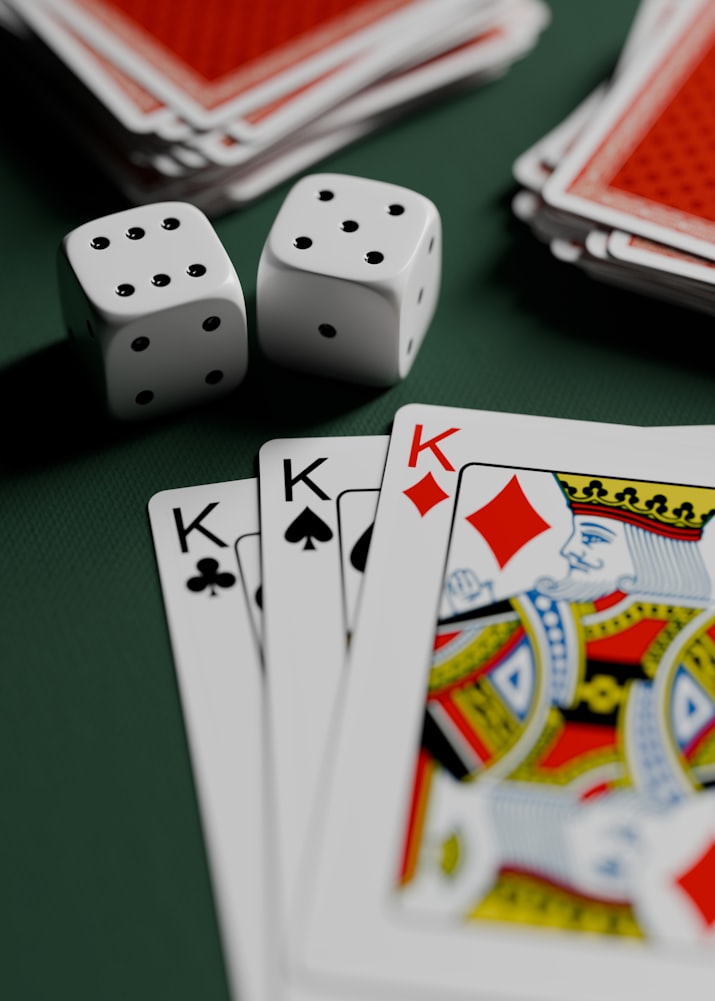
Additionally, the environment within casinos is specifically crafted to exploit these biases. For example, the ambiguity of odds and the lack of clear information about how games actually work can manipulate players into making irrational decisions. Sounds, colors, and even the arrangement of gaming machines are designed to create a sense of urgency and excitement, reinforcing these cognitive biases. As a result, gamblers may find themselves caught in a cycle of erroneous thinking, driving them deeper into their gambling habits. This manipulation highlights the need for players to be aware of their cognitive processes while engaging in gambling activities.
The Social Aspect of Gambling
The social dynamics of gambling are equally important to consider. Casinos often serve as social hubs, where people gather not just to engage in games but to enjoy interactions with others. This aspect can enhance the overall gambling experience, as socializing can amplify emotions, both positive and negative. Celebrating wins with friends or commiserating over losses can foster a sense of community and belonging, making the gambling experience more enjoyable. This social interaction often leads to long sessions of play, as individuals are motivated not just by the games but by their connections with others.
Furthermore, peer pressure can significantly influence gambling behaviors. When friends or acquaintances advocate for gambling, whether through encouragement or competition, individuals may feel compelled to join in to avoid feeling left out. This pressure can lead to increased spending and riskier behaviors, often distancing individuals from their original intentions for gambling. As players find themselves in these social situations, their decisions can become less about personal enjoyment and more about adhering to group dynamics. The interplay between social expectations and individual choices can complicate the gambling experience.
Moreover, the advent of online gambling has transformed the social landscape of this activity. Many platforms now offer opportunities for players to interact with each other, forming virtual communities. This shift enables individuals to gamble from the comfort of their homes while still engaging with a broader social network. However, it can also blur the lines between social interaction and isolation, leading some to gamble excessively without the traditional social cues that might regulate their behavior in physical casinos. The challenge lies in balancing social engagement with responsible gambling practices, ensuring that connections enhance rather than detract from a healthy gaming experience.
The Impact of Emotions on Gambling Decisions
Emotions play a pivotal role in gambling decisions, often leading individuals to make irrational choices. The highs and lows of winning and losing can create a rollercoaster of feelings, making it challenging for gamblers to maintain a clear perspective on their actions. When players experience a win, the euphoria can lead them to take on more risk, believing they are on a winning streak. Conversely, a string of losses might drive them to gamble more in an effort to regain what they have lost, illustrating the profound emotional responses tied to gambling. This emotional volatility can result in impulsive decisions that may not align with their long-term goals.

Furthermore, many gamblers use gambling as a coping mechanism for stress or negative emotions. In these cases, the act of gambling becomes less about the games themselves and more about the desire to escape from life’s pressures. This reliance on gambling for emotional relief can escalate into problem gambling, as individuals may increasingly seek out the thrill to manage their feelings. It’s a cycle of using the highs of gambling to combat lows in their personal lives, which can often lead to detrimental consequences. Recognizing this pattern is essential for understanding the psychological complexities of gambling behavior.
Ultimately, understanding the emotional undercurrents driving gambling decisions is essential for both players and those looking to support them. Recognizing moods and feelings that influence betting behaviors can lead to more mindful gambling practices. For those who might find themselves struggling, awareness of these emotional impacts can encourage healthier coping strategies and help mitigate the risk of developing problematic gambling habits. Developing emotional intelligence regarding gambling can empower individuals to make more informed choices and foster a healthier gambling culture.
Understanding Responsible Gambling
Amidst the excitement and potential pitfalls of casino gambling, the concept of responsible gambling is gaining increasing attention. This refers to the approach where individuals engage in gambling activities in a manner that is controlled and balanced, ensuring they do not exceed their limits. Responsible gambling initiatives emphasize education about the odds, risks involved, and setting personal spending limits. Understanding that gambling should be a form of entertainment rather than a financial strategy is integral to promoting healthier gambling behaviors. This foundational understanding can help guide individuals toward more sustainable gambling practices.
Many casinos and online platforms are beginning to implement measures aimed at encouraging responsible gambling. These include tools for players to set deposit limits, session time reminders, and self-exclusion options for those who feel their gambling habits are becoming problematic. By fostering an environment that prioritizes player safety, these measures can help mitigate the risk of developing gambling disorders and encourage people to gamble responsibly. Such initiatives reflect a growing awareness of the psychological impact of gambling and the importance of maintaining a healthy relationship with it.
Furthermore, community resources and support systems are crucial in educating players about the signs of problematic gambling. Awareness programs can help individuals identify when their behaviors may be crossing into harmful territory, promoting early intervention. By understanding the psychological factors that contribute to gambling, individuals can better navigate their experiences and make informed choices. Recognizing the importance of responsible gambling is an essential part of creating a healthier gambling culture, where players can enjoy the thrill of the game while safeguarding their well-being.
